Getting started
Aperture, focal ratio and what actually matters
The single most useful thing a beginner can learn before buying a first telescope — and the spec that quietly decides every view.
ReadTONIGHT’S SKY
Telescopes, eyepieces and star charts chosen for clear, honest views — a field guide to the night, shipped to your door.
 Plotted for mid-northern latitudes
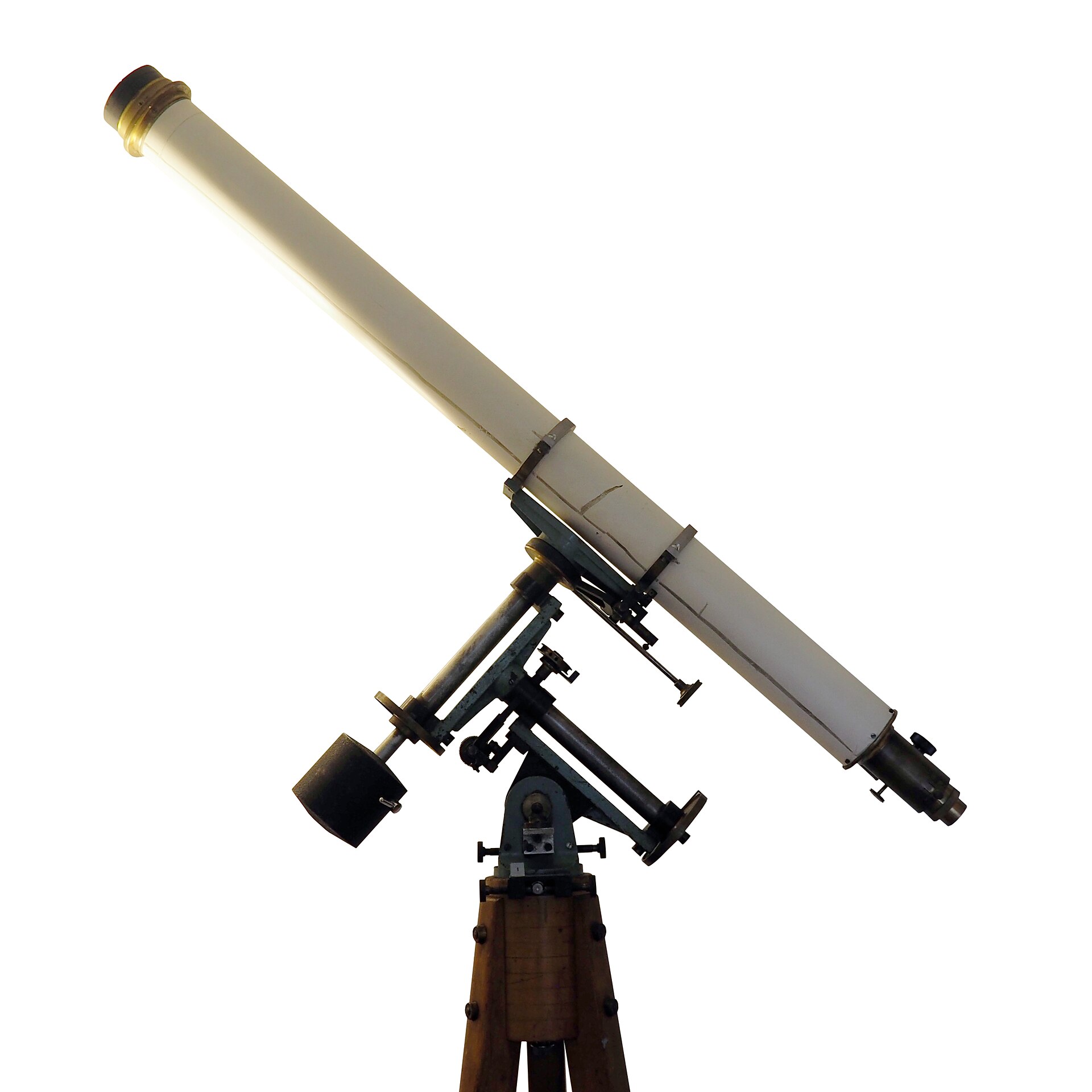
Faint galaxies, nebulae and clusters reward aperture and a dark sky. Reach for a light bucket and a low-power eyepiece.
The Moon and planets demand resolution and contrast, not light grasp. A long focal ratio and steady seeing do the work.
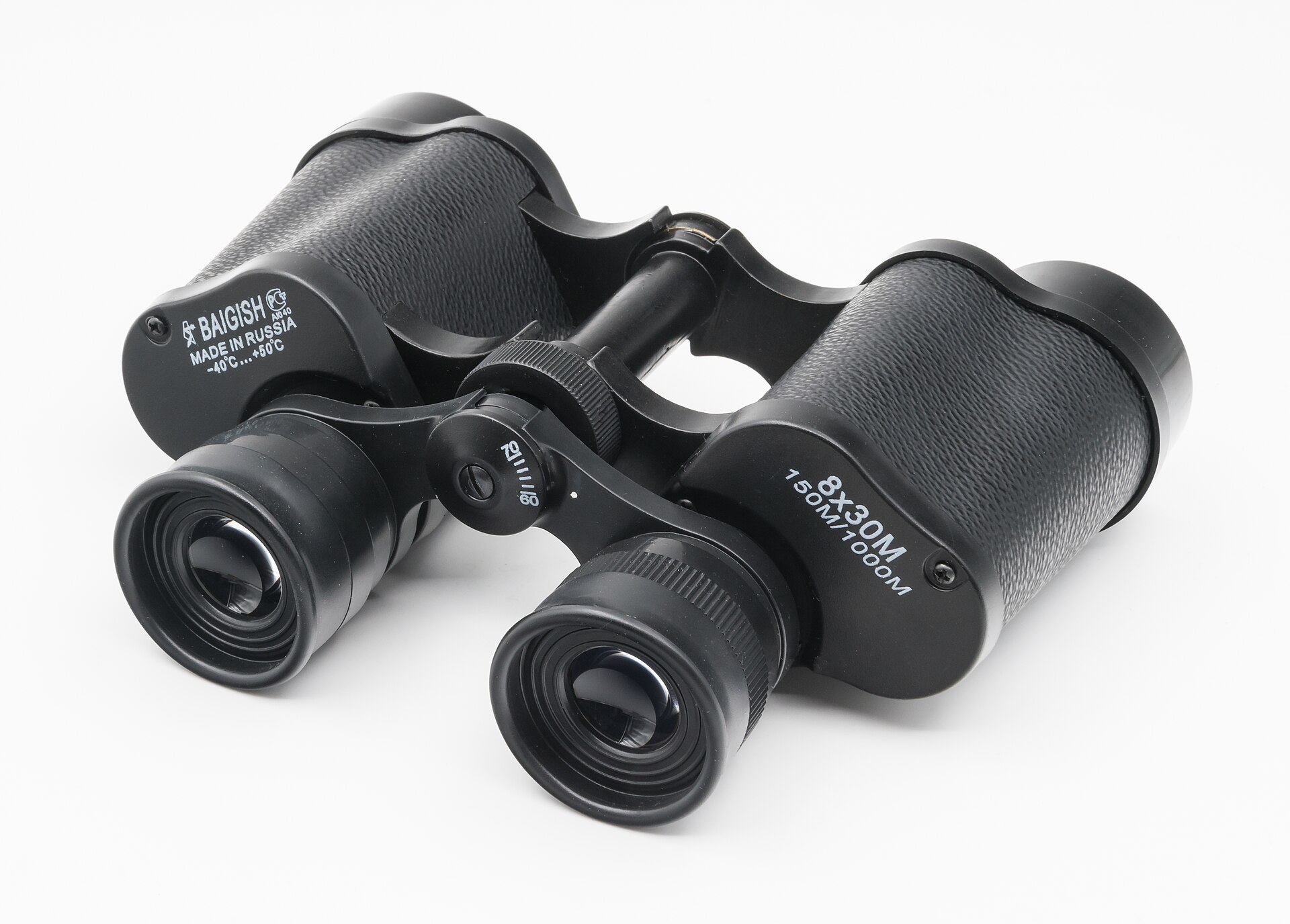
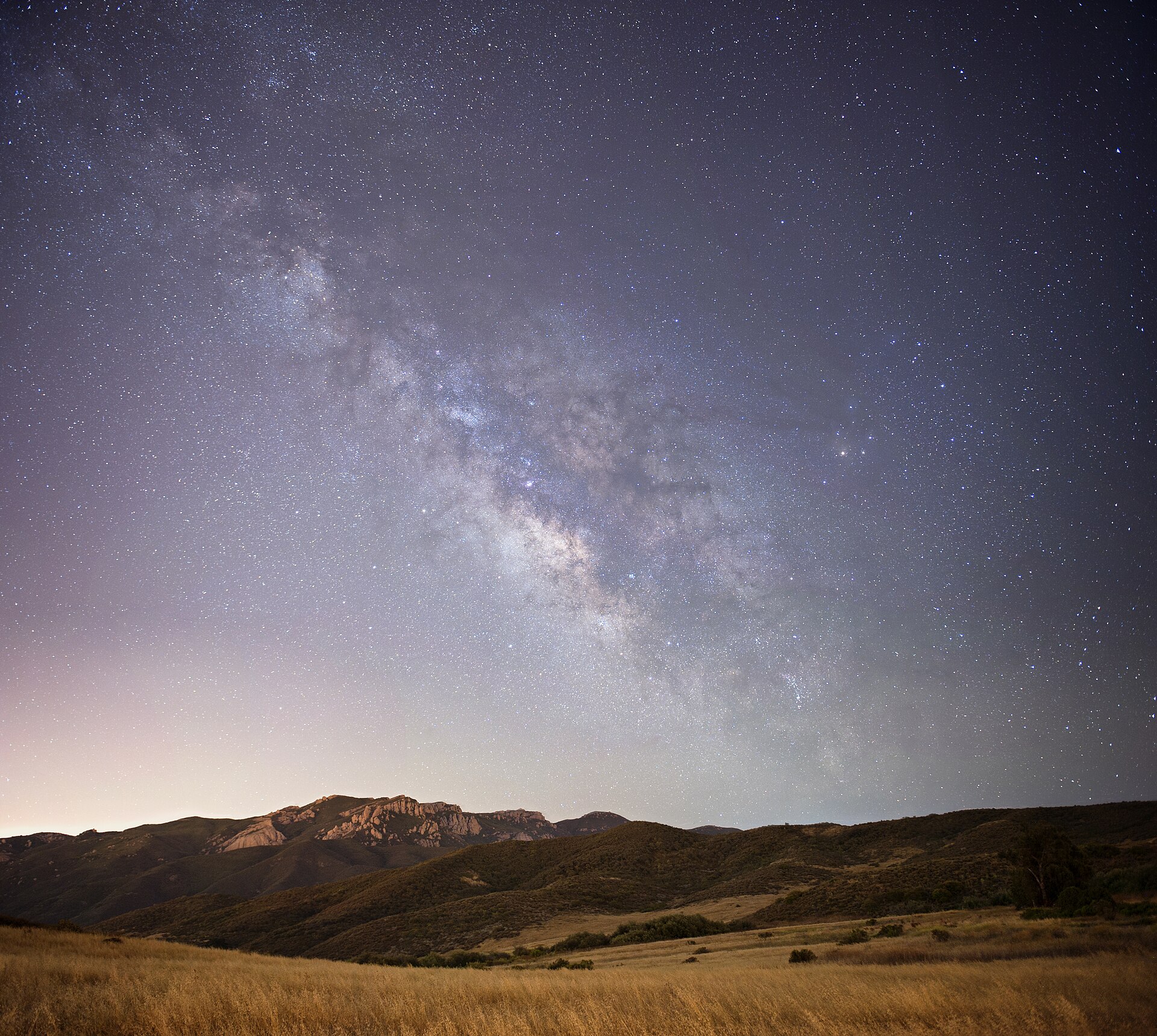
Sweeping the Milky Way and framing whole constellations calls for a short, fast scope or a good pair of binoculars.
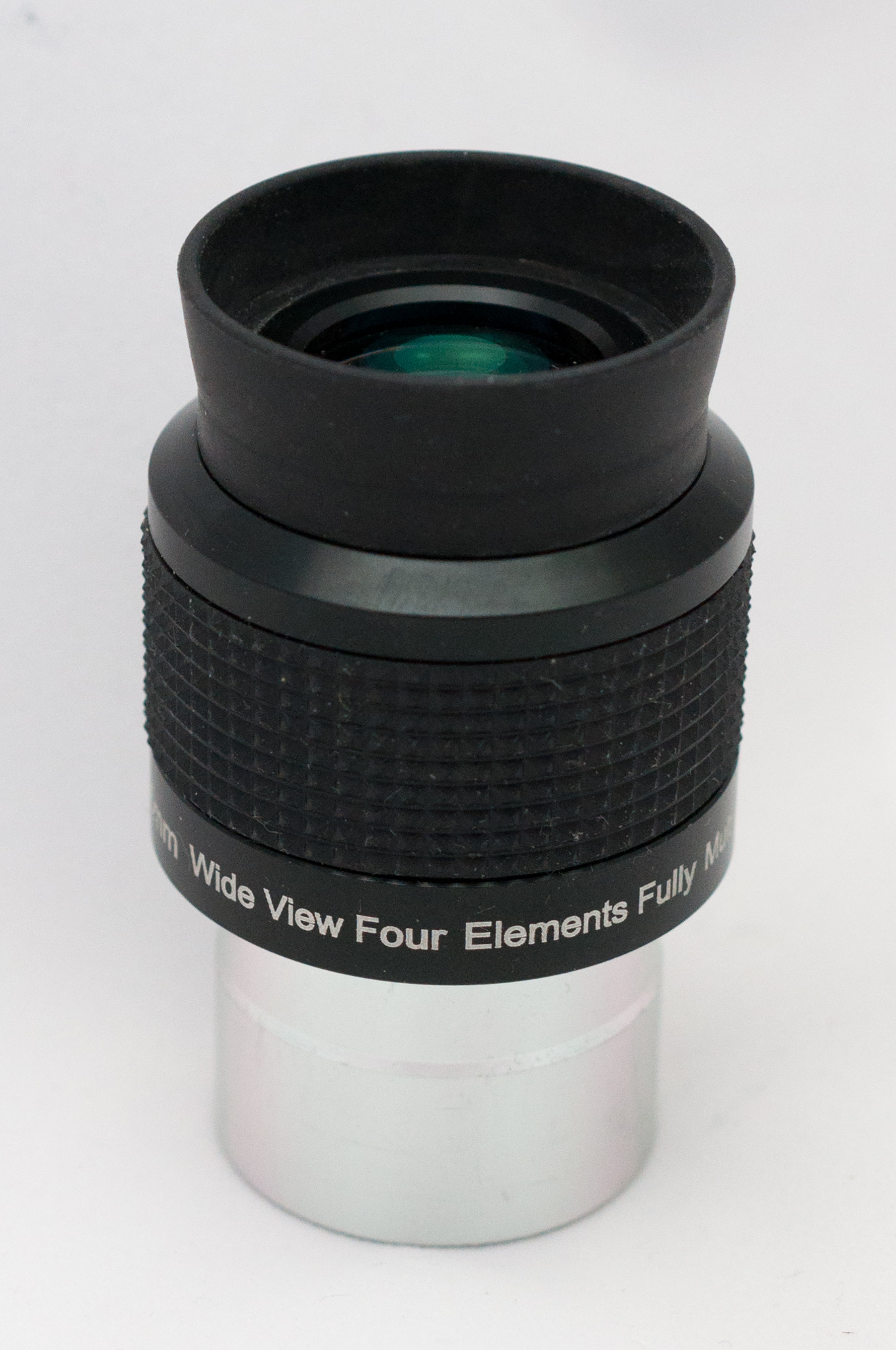
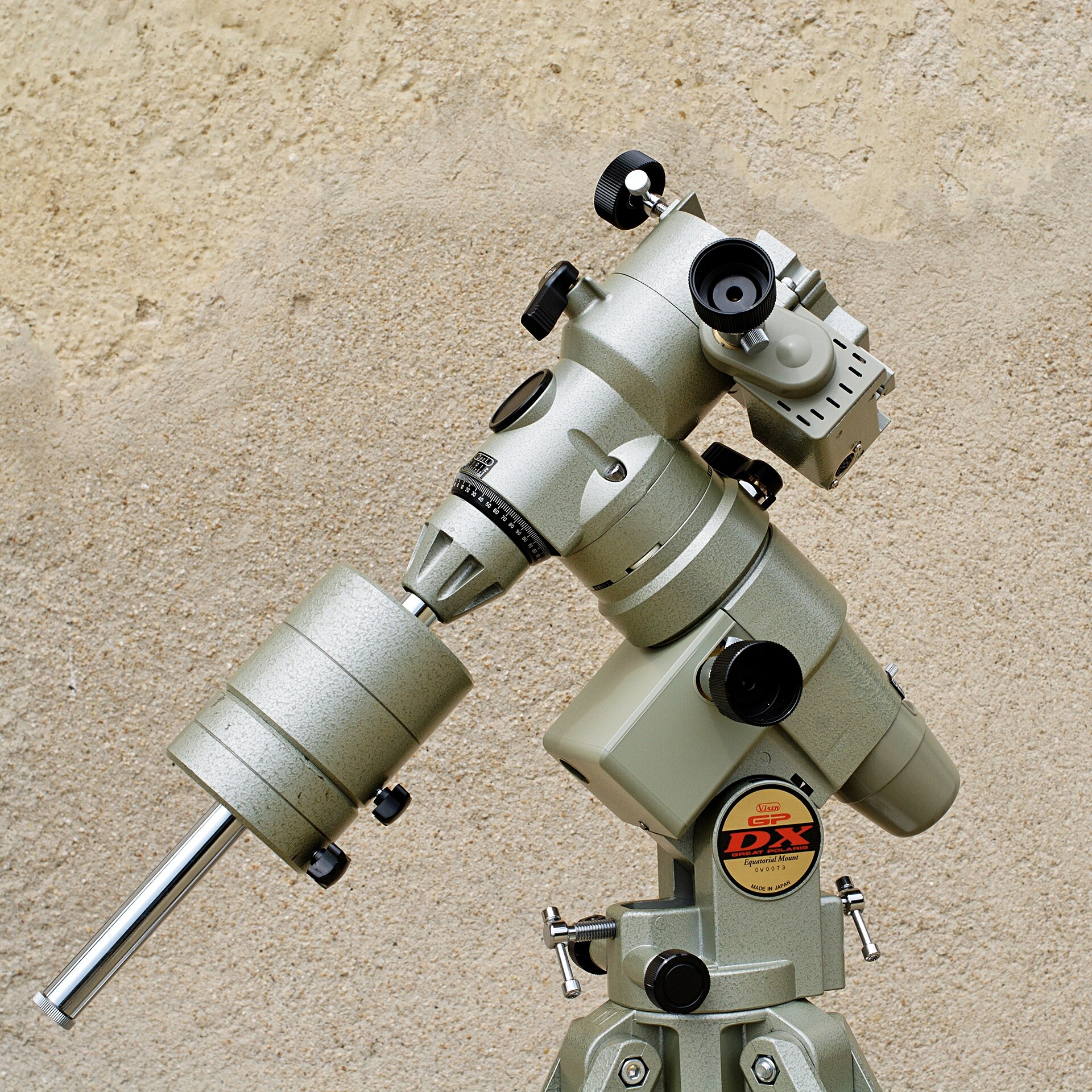
We do not stock everything — we stock what earns its place under a dark sky. Every telescope, eyepiece and chart here has been chosen for the view it delivers and the nights it survives.
Getting started
The single most useful thing a beginner can learn before buying a first telescope — and the spec that quietly decides every view.
Read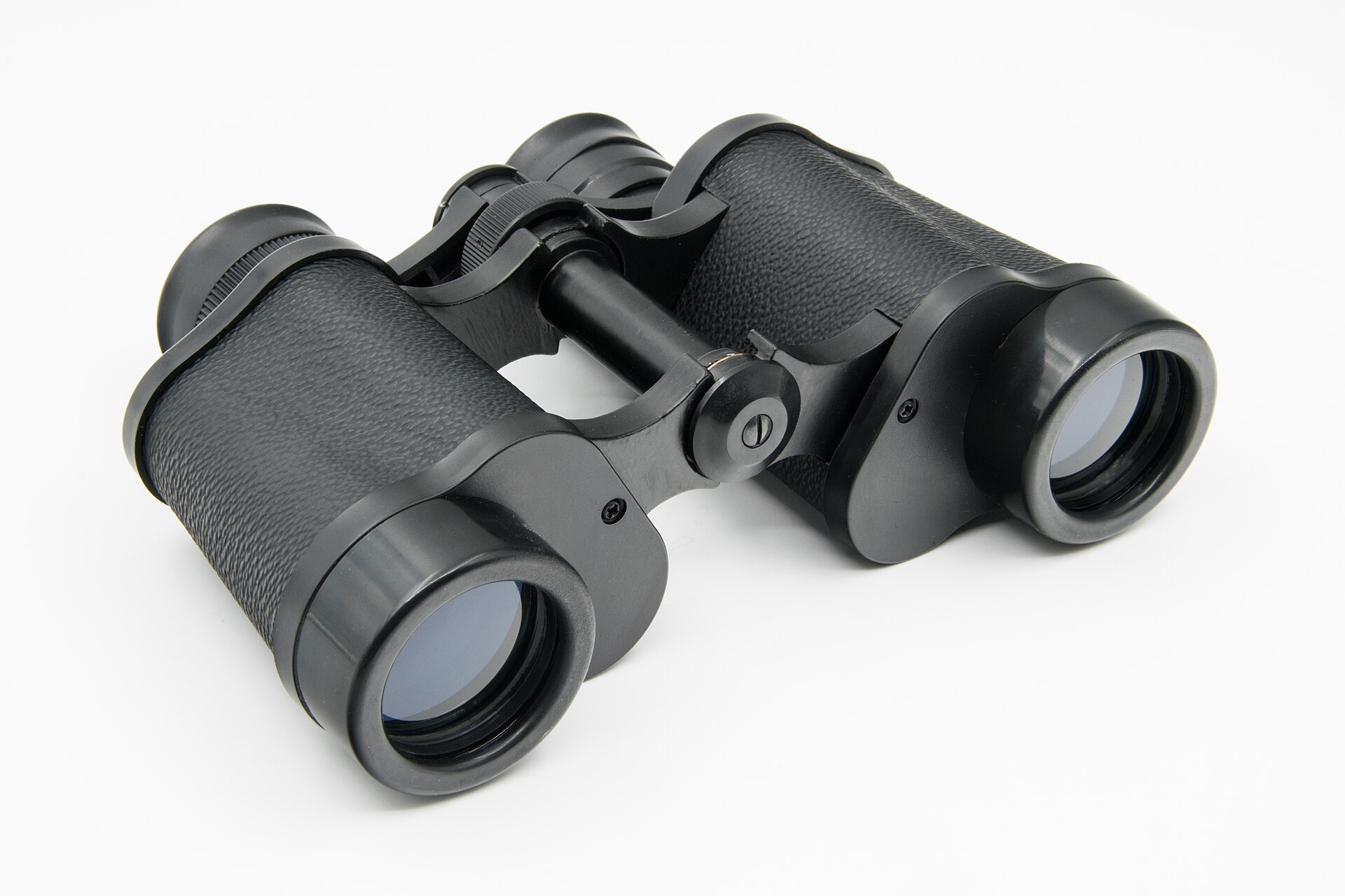
Technique
Before the telescope, before the mount — a humble pair of 10×50s is the most-used instrument most of us own. Here is why.
Read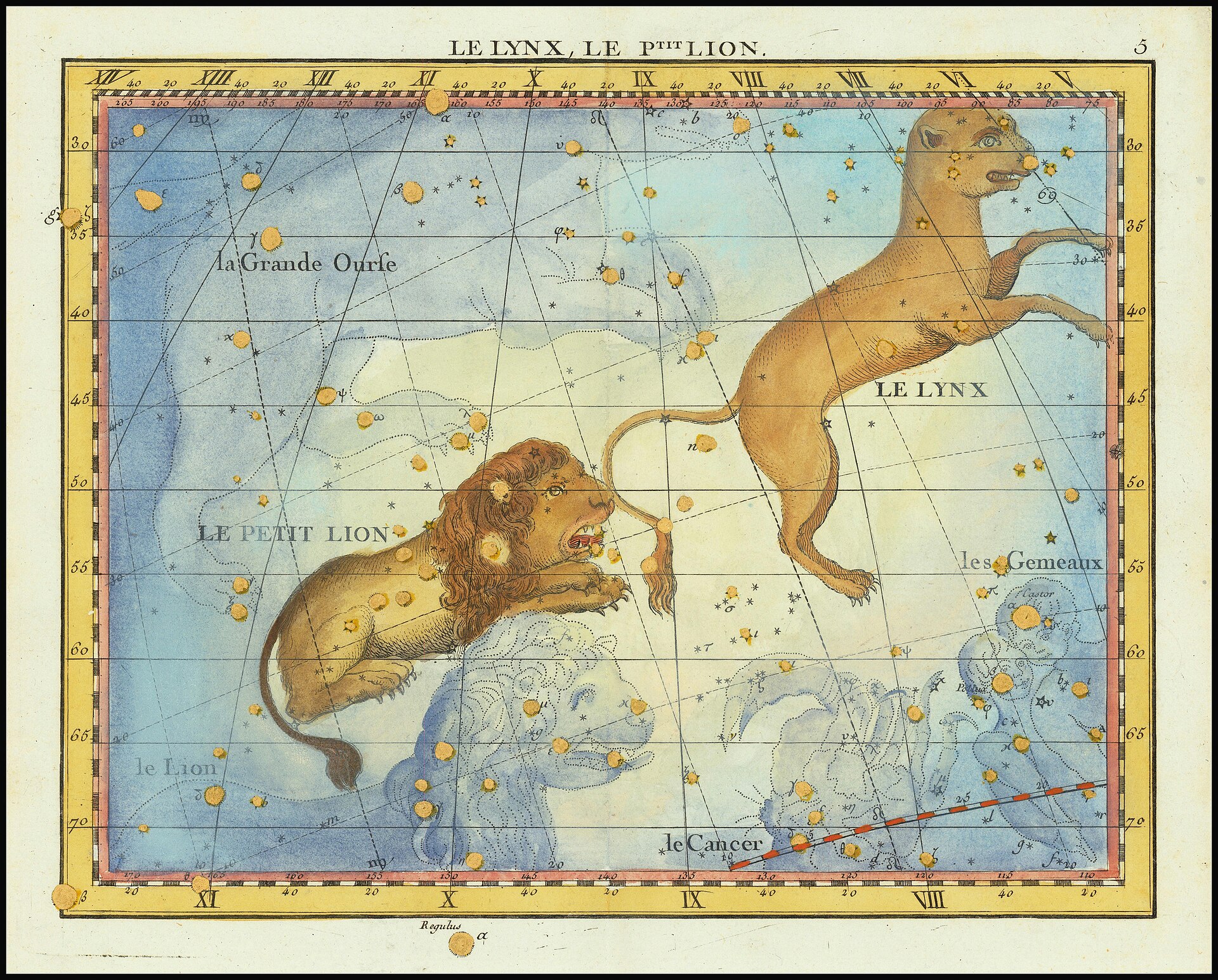
Dark skies
Star-hopping is a skill, not a gadget. We walk through finding a faint galaxy from a bright guide star, one hop at a time.
Read